We’ve all been there, haven’t we? You place an order for your favourite dish, and you’re salivating at the thought of that first bite. But when it finally arrives, it’s lukewarm at best. Disappointing, isn’t it? Let’s change that, shall we?
I’ll be sharing some fail-safe tips to ensure your food arrives fresh and hot, every time. Whether it’s a takeaway from your local restaurant or a delivery from an online food service, I’ve got you covered. So, if you’re tired of cold fries and lukewarm pizza, you’re in the right place.
Preparing for Delivery
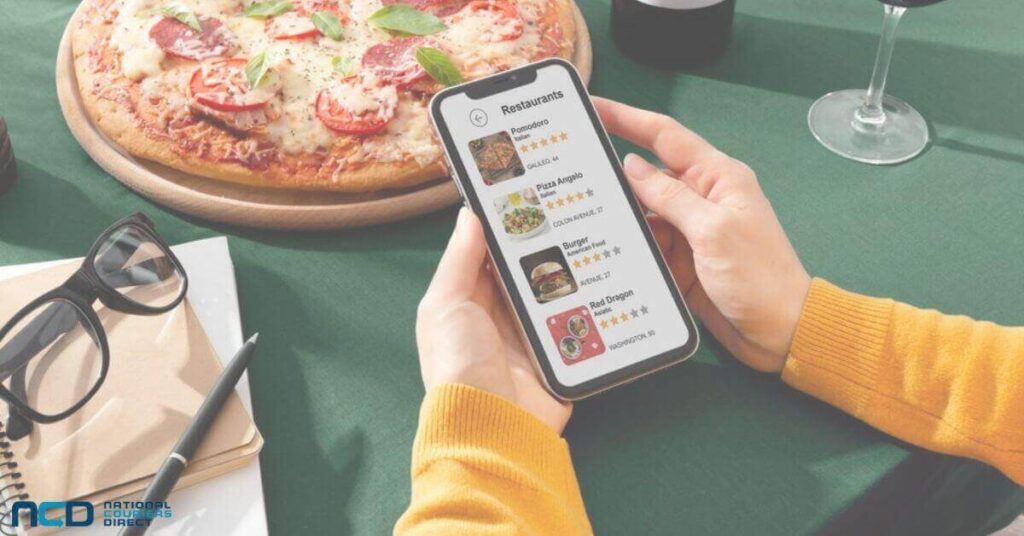
Preparing for food delivery isn’t just about waiting for your meal. It’s being proactive to make sure your food arrives hot and fresh, a concept not many are conscious about.
Choose Restaurants with High Delivery Standards
Selecting restaurants that maintain good delivery standards should be your initial course of action. Some eateries make investments in their delivery systems in addition to premium food. Recall that eateries that employ hot bags or insulated food containers demonstrate their commitment to serving food in optimal condition.
Availability of Delivery
Take into account the typical food delivery time in your region. Your food will be hotter the faster it is delivered. Fast delivery reduce the amount of time your food spends in transit, maintaining its freshness and temperature.
Weather consideration
Since weather has a significant impact on food temperature, think about it. Food stays warm in a pleasant climate. Selecting meals that aren’t greatly impacted by temperature changes is advised during severe weather.
Order Types
Finally, avoid meals known to cool quickly. Based on my experience and a little research:
| Food | Details |
|---|---|
| Pizza | Retains heat well due to high cheese and tomato sauce content |
| Fried Chicken | Tends to cool down quickly |
| Soups | Perfect for delivery as they retain heat well |
Choosing the Right Packaging
You cannot undervalue the significance of appropriate packaging when it comes to guaranteeing that your delivered food stays hot and fresh.
I’ve found that properly packaged food keeps its temperature for a considerable amount of time. Consider pizza as an example. Pizza parlours frequently use thermally insulated boxes for their pizzas. These boxes shield the food from the outdoors while also holding in the heat.
Paper boxes, on the other hand, are typically used for delicacies like rice dishes and include tiny vents to release steam, which keeps the food from getting soggy. Using the proper packaging can boost food temperature retention by 15%, according to a research by the Restaurant Packaging Institute.
However, it’s not just about heat retention. The type of food can also determine the appropriate packaging. For example, for easily sloshed foods like soups, using a tight-seal plastic container is key to prevent spills during delivery.
Ultimately, your choice in restaurants can impact the kind of packaging your food comes in. So, it is beneficial to choose establishments that prioritise high quality packaging. This is just one more factor to bear in mind as you navigate the landscape of food delivery.
Table 1: Types of Packaging and Their Benefits
Packaging Type Benefits Insulated Boxes Heat Retention, Weather Protection Paper Boxes with Vents Prevents Sogginess Tight-Seal Plastic Containers Prevents Spills
Optimal Delivery Routes
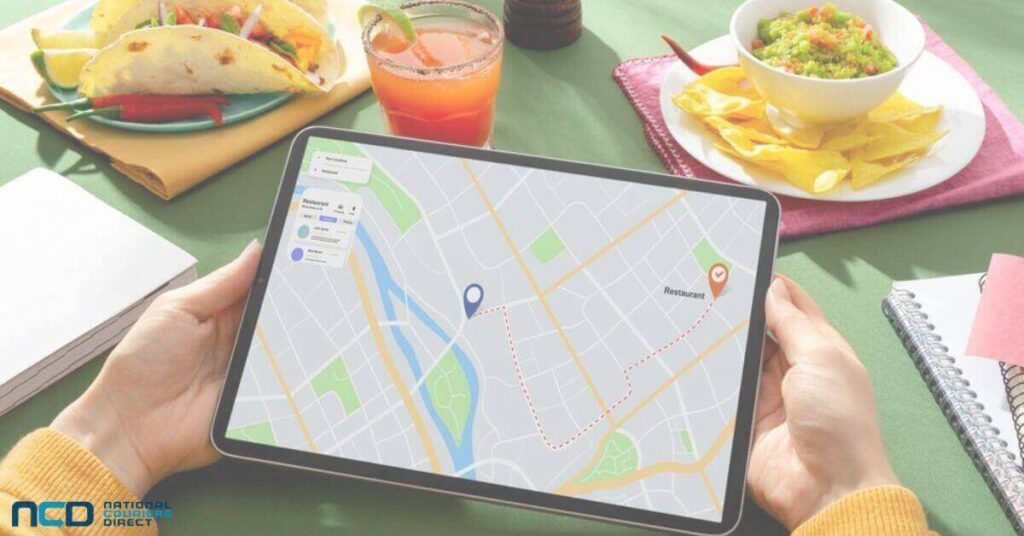
The delivery route is just as important as clever packaging to guarantee that your food reaches in the best possible shape.
Consider it. Extended, twisting paths might generate vibrations that harm your food, even if your packing is of the highest quality. In addition, if you drive for a long period, your food may cool down sooner than you had anticipated.
Selecting eateries with efficient routing systems is important in this case. We are referring to restaurants that have mechanisms in place to determine the fastest, most cost-effective ways to get from their location to yours.
These restaurants guarantee that the delivery worker takes the fastest route feasible, minimising the amount of time your meal spends in transit, thanks to technology like GPS and real-time traffic reports.
Through this, not only do you get your food delivered faster but it also arrives hotter, maintaining the restaurant-quality experience you’re looking for.
Isn’t it time you considered the importance of delivery routes the next time you’re ordering that mouth-watering pizza or a comforting bowl of soup?
Ensuring Quick Delivery
The quickness of delivery is important when it comes to getting meals in the finest possible shape. Faster delivery translates into hotter, fresher meals. That is true.
Routing is important because effective routes can significantly reduce delivery times. To guarantee the fastest journey, several restaurants employ specialised GPS and real-time traffic information. The significance of selecting establishments that prioritise routing efficiency cannot be overstated.
Let’s actually examine how routing may affect delivery times. This is a brief comparison of two meals that were placed in separate restaurants. Specialised delivery route optimization is used by one, but not by the other:
| Restaurant | Average Delivery Time |
|---|---|
| Restaurant A (route optimised) | 20 minutes |
| Restaurant B (non-optimised route) | 35 minutes |
The difference is clear. A faster delivery time is achievable, and it absolutely affects the quality of your meal upon arrival. Therefore, when placing your next order, remember to consider how the restaurant manages their deliveries.
Keeping Food Warm
Maintaining the temperature of your meal is essential for delivery. Let’s investigate possible solutions for this. First and foremost, delivery speed is crucial. In general, food will stay warmer if it is given more quickly. The mode of transportation is another factor to take into account. Because they can manoeuvre through traffic and are typically faster than cars, motorcycles can help guarantee that your food arrives hot.
There’s also the actual packaging that was utilised. An excellent fix are thermal packs with insulation. Your meals will stay hot thanks to their exceptional heat retention qualities. On the other hand, food can avoid becoming soggy by using containers with vents to expel steam.
Finally, we must not overlook the restaurant’s contribution to temperature control. Certain restaurants go above and beyond by providing warming cabinets, which maintain the ideal temperature for your order until the driver comes. Therefore, before placing an order, it’s usually a good idea to find out what procedures your preferred restaurant employs.
In the end, there’s more to making sure your meal comes hot and fresh than just speedy delivery. It requires a careful balancing act between restaurant procedures, packing, transportation, and timeliness. You may have wonderful meals at home that rival those from restaurants by keeping these things in mind.
Conclusion
So there you have it. I’ve given you the lowdown on the best ways to ensure your food arrives fresh and hot. It’s all about the packaging, from thermally insulated boxes to tight-seal plastic containers. But it’s not just about what it’s packed in, it’s also about how it’s delivered. Choosing restaurants that use technology for routing efficiency can make a huge difference in delivery times and ultimately, the quality of your meal.
Frequently Asked Questions
1. Why is the right packaging important for fresh and hot food delivery?
Proper packaging protects food from the elements and maintains its temperature for an extended period of time. To stop spills, it might range from sealed containers for liquid-based food to thermally insulated pizza boxes.
2. How do optimal delivery routes contribute to the quality of delivered food?
Real-time technology for efficient routing shortens journey times, which lowers the chance of food damage from cooling down or vibrations. This guarantees that the dish is still restaurant-quality when it is served.
3. What is routing efficiency and why is it important?
The key to efficient routing is figuring out the shortest routes by utilising GPS and traffic updates. It keeps the meal hot and fresh while ensuring speedier deliveries.
4. How does routing efficiency affect delivery times?
The average delivery time difference between a restaurant with route optimisation and one without was found to be fifteen minutes. This affects how well the meal is delivered.
5. What additional factors help keep food warm during delivery?
Other elements that contribute to guaranteeing a hot, fresh meal upon delivery include the restaurant’s part in temperature control, the speed of delivery, and the mode of conveyance.
